


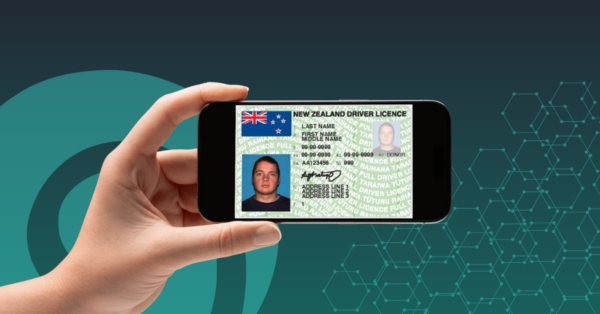
New Zealanders are about to see a major change in how they prove who they are, with the Government confirming that the new Govt.nz app will soon allow people to store and show digital IDs directly from their phones.
In practical terms, it means many Kiwis may eventually be able to leave the house without carrying a physical driver’s licence or proof-of-age card at all.
Most Kiwis already use their phones as their digital backup
For many people, the change will feel like a natural next step. Smartphones already act as wallets, boarding passes, bank cards, and authentication devices for everyday life. For many, having digital driver’s licences and other government-issued IDs on their phones will simply make everyday life easier, giving them quicker access to services and removing the need to constantly carry physical documents that are easy to forget, lose, or leave behind.
But as more important personal documents and identification start living on our phones, conversations around cybersecurity and digital safety are becoming much harder to ignore.
Losing a physical wallet is stressful enough, but smartphones now hold far more than just identification, with government-issued credentials increasingly becoming tied directly to a person’s digital identity. In many ways, phones have become the keys to people’s personal and professional lives.
That creates a very different kind of risk environment, particularly as cybercriminals continue shifting their focus toward mobile devices and compromising them. Such as in the Manage My Health App Data Breach earlier this year

NZ Police Checkpoint (Source: Abigail Dougherty, Stuff)
The Impact
For the average person, especially those who don’t spend much time thinking about cybersecurity, digital IDs may feel safe simply because they’re connected to official government systems.
But many people still use weak passwords, reuse the same logins across multiple accounts, or haven’t enabled extra security features like multi-factor authentication on their phones. Others may not realise how exposed they can become if their device is stolen while unlocked, connected to public Wi-Fi, or tricked by a phishing message or malicious app.
If someone gains access to a person’s phone and connected accounts, the damage can go well beyond financial loss. It could open the door to identity theft, account takeovers, impersonation scams, or even access to sensitive government communications and personal information.
Recently, only 28 Kiwis needed to be compromised to defraud them of close to a million dollars
Bars, retailers, rental companies, and other service providers are also likely to rely more heavily on digital ID checks in the near future. While that could make customer interactions quicker and more convenient, businesses will also need staff who know how to spot suspicious behaviour, recognise legitimate credentials, and respond to potential fraud attempts confidently.
The Government has made clear that participation in the Govt.nz app remains voluntary, and that existing systems will continue to operate alongside digital options. That flexibility will likely remain important while public trust and digital confidence continue to develop.

Judith Collins promoting the Government App (source: 1News)
What does this mean for Cybersecurity?
What New Zealand is doing reflects a much bigger shift happening around the world, as governments and organisations look for ways to modernise services, make them easier to access, and reduce the reliance on paperwork and physical documentation. Likely in a couple of decades, the physical option will phase out altogether, so it is important to adapt.
As more personal and sensitive information becomes tied to phones and online accounts, cyber awareness can’t just be treated as something for businesses or highly technical users anymore. Everyday people need practical advice on how to secure their devices, recognise scams, protect their personal information, and know what to do if something goes wrong.
Cybersecurity tools can also help by flagging suspicious activity or blocking known scam attempts, but they work best when combined with awareness. Technology can support you, but education will always remain key.
Staying One Step Ahead
While the added convenience of digital IDs will appeal to many people, it also means our phones are now carrying some of the most important parts of our identity. The success of services like the Govt.nz app won’t just come down to the technology itself, but also how confident and prepared people are to use it safely in everyday life.
Cyber awareness urgently needs to become part of everyday life. Stay one step ahead of the trends with our Cybersmart Newsletter and Webinars.
If you want to join our community dedicated to becoming more Cybersmart together – Follow us on Facebook