


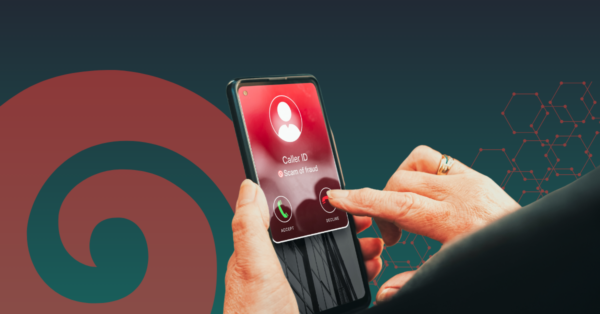
The sentencing of three men involved in a sophisticated scam syndicate this week should serve as a warning to every New Zealander: it only took 28 victims for criminals to siphon almost a million dollars out of our communities.
Behind every figure is a real person who trusted what sounded like a legitimate phone call. Many of the victims were elderly New Zealanders who believed they were speaking to someone from their bank or from Spark, trying to help protect their accounts.
Together, they lost more than $833,000 to a criminal operation that spent years manipulating fear, trust, and technology for profit.
The Impact
The details shared in court paint a picture of just how personal these scams can become. One woman reportedly stayed on the phone for five hours because she genuinely believed the caller was helping keep her money safe. Others lost savings they had spent years building. Beyond the financial loss, many victims were unfortunately left feeling embarrassed, anxious, and less confident using technology or even answering the phone.
That emotional impact is often the part people don’t see. Scam victims frequently blame themselves, even though these operations are carefully designed to build trust and create pressure in the moment. We tend to focus on the dollar figure, but cybercrime leaves behind something much harder to recover: a person’s sense of security.
The stereotype that only elderly or inexperienced people fall for scams is outdated. Criminal groups are becoming more sophisticated every year, using urgency, fear, AI-generated voices, spoofed phone numbers, and increasingly convincing social engineering tactics. Small businesses are also firmly in the firing line, with invoice fraud, account takeovers, and phishing attacks capable of devastating companies that may not have dedicated cybersecurity teams or recovery budgets.
In our Latest Threat Report we can see that the number of attacks is falling, but that doesn’t always mean that scams are less successful.

source: NZ Herald
The Operation
The syndicate reportedly convinced victims to hand over remote access to their computers, allowing scammers to move money directly from bank accounts into mule accounts before laundering the proceeds through Bitcoin, Prezzy Cards, ATM withdrawals, and overseas transfers. One victim stayed on the phone for five hours because she genuinely believed the caller was trying to keep her money safe. Another was humiliated when scammers added “sex toy” into a banking reference while stealing nearly $10,000 from her account.
For many of the victims, the financial damage may never be repaired. The court heard several were left with life-changing losses in the final years of their lives. Some have since passed away. Others now live with anxiety, embarrassment, and fear whenever the phone rings. Many have become less independent and increasingly reliant on family members after losing confidence in their ability to manage their own finances safely.
This was not one lone scammer working from a bedroom. According to the court, the group operated for years using encrypted communications, VPN software to disguise call locations, money laundering tactics, and networks of recruited accomplices. They allegedly targeted homeless individuals to gain access to bank accounts for laundering stolen funds.
And while banks and telecommunications companies continue investing heavily in fraud prevention systems, criminals only need a small number of successful attacks to generate enormous profits.
How to Protect Yourself
This is why cyber safety education needs to become part of everyday life, not something reserved for “tech-savvy” people; the victims in this case were not careless. They were targeted by professional criminals who specialise in exploiting trust, urgency, and human behaviour more effectively than most people understand cybersecurity.
A good rule of thumb is simple: if someone contacts you out of the blue, treat it as a red flag. Legitimate organisations will not cold-call you and request various personal information. If you think the request might be genuine, take a step back and contact the organisation directly using their official website or phone number. That small pause can make all the difference.
Cybersecurity tools can also help by flagging suspicious activity or blocking known scam attempts, but they work best when combined with awareness. Technology can support you, but it can’t replace good judgment in the moment.
Staying One Step Ahead
For genuine small businesses already battling rising costs and economic pressures, a successful cyberattack can mean lost revenue, damaged customer trust, and operational downtime. In some cases, closure altogether. For individuals, especially retirees, the consequences can destroy savings accumulated over decades.
This case should not simply end with prison sentences and headlines. It should spark a wider national conversation about how exposed many New Zealanders still are to organised cybercrime. Cyber awareness urgently needs to become part of everyday life. Stay one step ahead of the trends with our Cybersmart Newsletter and Webinars.