


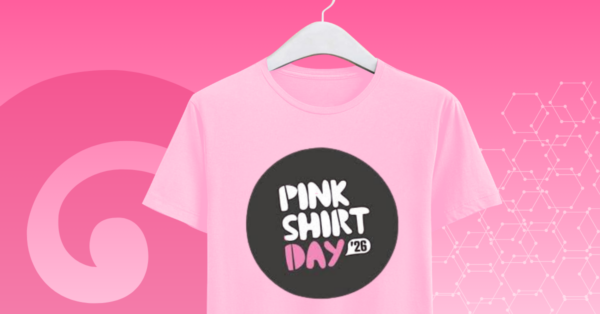
Pink Shirt Day has become one of New Zealand’s most recognised movements for kindness, inclusion, and standing up against bullying, but its story actually began with a simple act of support.
Just as a little bit of history, back in 2007, two Canadian students decided they’d had enough after a younger student was bullied for wearing a pink shirt to school. Instead of staying quiet, they handed out pink shirts to other students in solidarity. What started as a small gesture quickly became a global movement, eventually finding a strong home here in NZ through the work of the Pink Shirt Day NZ campaign.

Pictured: David Shepherd and Travis Price (Source: York Regional Police Association )
The Digital Evolution of Bullying
These days, Pink Shirt Day is about far more than playground teasing or awkward lunchtime moments.
Bullying has evolved alongside technology, and unfortunately, it now follows people home in their pockets. A mean comment used to stay on the school field. Now it can appear in group chats at midnight, on social media during dinner, or in anonymous messages while someone is simply trying to unwind after work. That’s what makes the conversation around cybersecurity and online harm so important.
When most people hear the word “cybersecurity,” they think about hackers in hoodies typing dramatically in dark rooms. In reality, cybersecurity is also about protecting people and creating safer digital spaces where harassment, intimidation, scams, impersonation, and online abuse are taken seriously.
Not just ‘Child’s Play’
And while we often talk about cyberbullying affecting young people, adults aren’t immune either. Workplace group chats, neighbourhood Facebook pages, gaming communities, dating apps, and social media platforms can all become environments where online harm spreads quickly.
Sometimes it’s obvious. Sometimes it may be disguised as “just joking around.” Most of us have seen how quickly one sarcastic comment online can spiral into a pile-on that leaves someone feeling isolated or humiliated.
The internet can be brilliant at bringing people together, but it can also make people feel strangely comfortable saying things they would never dare say face-to-face. It turns out having a Wi-Fi connection doesn’t automatically come with emotional maturity.
That evolution of bullying is why resources like Netsafe’s Digital Guardian Guide has recently been released in collaboration with Spark. The guide recognises that harmful behaviour online no longer fits into one simple category of “kids being mean online” and “just turn off the computer!.” Today’s digital harm can involve fake accounts, coordinated harassment, image sharing, impersonation, stalking, workplace abuse, manipulated content, or even scams designed to emotionally pressure victims.
The Ripple-Effect
In New Zealand, online harm continues to be a growing concern. Research from Netsafe NZ has shown that many Kiwis experience harmful digital communications ranging from harassment and threats to image-based abuse and persistent intimidation. For younger generations, especially, online interactions are deeply tied to identity, friendships, confidence, and mental well-being. When something goes wrong online, it rarely stays “just online.”
Statistics:
- Over 70% of New Zealand teens reported experiencing at least one type of unwanted digital communication in the past year
- A Netsafe report estimated the annual cost to society is $1.071 billion, indicating a major increase from the $444 million in 2018.
- Young adults (18–25) face the highest risk, with 40.5% reporting having ever been cyberbullied.
- Social media is the primary platform, while online gaming is also a common source of negative incidents.
This is just some of the many reasons initiatives like Pink Shirt Day matter so much. They encourage conversations that people often avoid, not only about bullying itself, but about empathy, accountability, and how we treat others when we think nobody ‘important’ is watching.
Our Role
Supporting Pink Shirt Day aligns closely with our mission of helping New Zealanders navigate the digital world confidently. Understanding that behind every username is a real person with real feelings, stress, and consequences attached to online interactions.
Creating safer online spaces starts with small decisions. It never hurts to check in on someone who may be targeted. Reporting harmful behaviour instead of scrolling past it. Thinking twice before posting an angry comment. Even resisting the urge to screenshot and share someone else’s embarrassing moment can make a difference. The internet remembers everything, even the things we desperately wish it wouldn’t.
So whether you’re wearing pink at school, in the office, working from home, or sitting in a café pretending to work while actually scrolling memes, the message remains the same: people deserve to feel safe, respected, and supported.
Online and off.
Staying One Step Ahead
Cyber awareness helps us better empathise and understand the digital world around us, including its evolving challenges like online bullying. Become confident in navigating the digital world, stay one step ahead of the trends with our Cybersmart Newsletter and Webinars.
If you want to join our community dedicated to becoming more Cybersmart together, Follow us on Facebook