Brought to you by

and

Romance/Sextortion Scam

What are Romance/Sextortion Scams?

Romance and sextortion scams involve building trust or initiating intimate interactions online to manipulate victims into sending money or explicit content, which is then used for financial exploitation or blackmail. Sometimes the scammers claim to have footage or images of you to coerce you into giving in to their demands, but it is important to remember that this is a deceptive tactic and likely untrue.

These scams can affect anyone, regardless of age, especially with the increased interconnectivity of today’s online world. These scams can be perpetuated by strangers or someone close to you.


Examples

What forms can Romance/Sextortion Scams take?

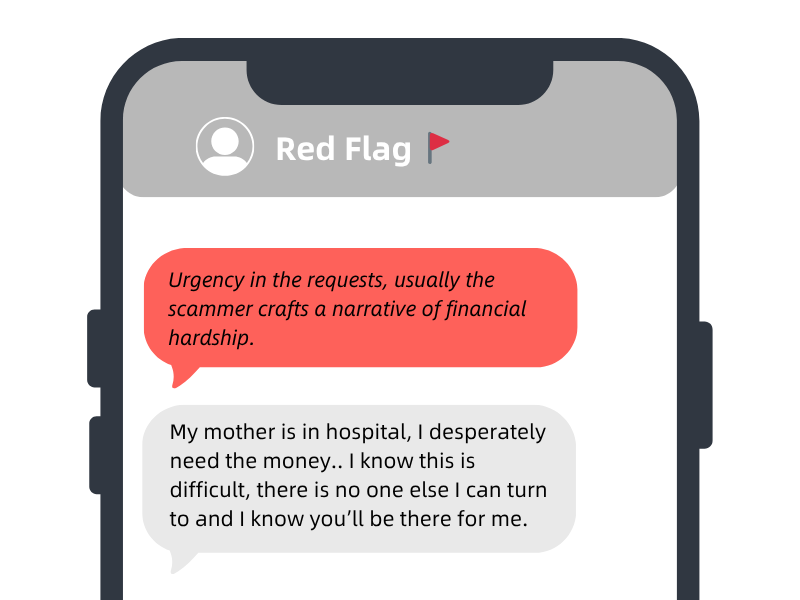
  • Fake dating profiles – Scammers build relationships over time, then request money for emergencies, travel, or medical needs
  • Spam Email blackmail – Scammers randomly email a victim with a letter saying that they have hacked into your account and recorded explicit content of you, threatening to release it publicly if a ransom is not paid. Often, no explicit content exists and they just hope to manipulate the victim into obedience 
  • Overseas persona scams – Impersonating someone unable to meet in person, often with elaborate backstories to justify financial requests
  • Catfishing with stolen photos – Using attractive or stolen identities or Ai generated images, to gain trust and emotional attachment
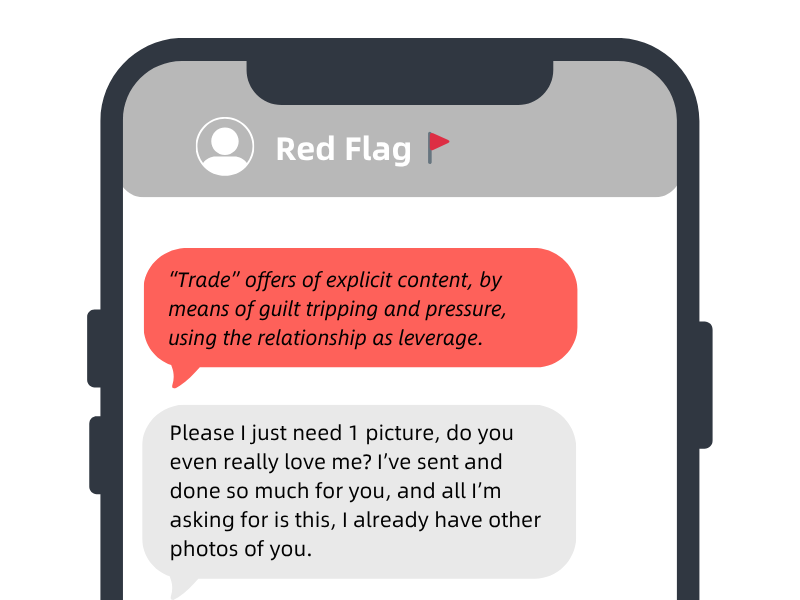
  • Sextortion after intimate exchanges – Victims are persuaded to share explicit images or videos, then threatened with exposure unless they pay
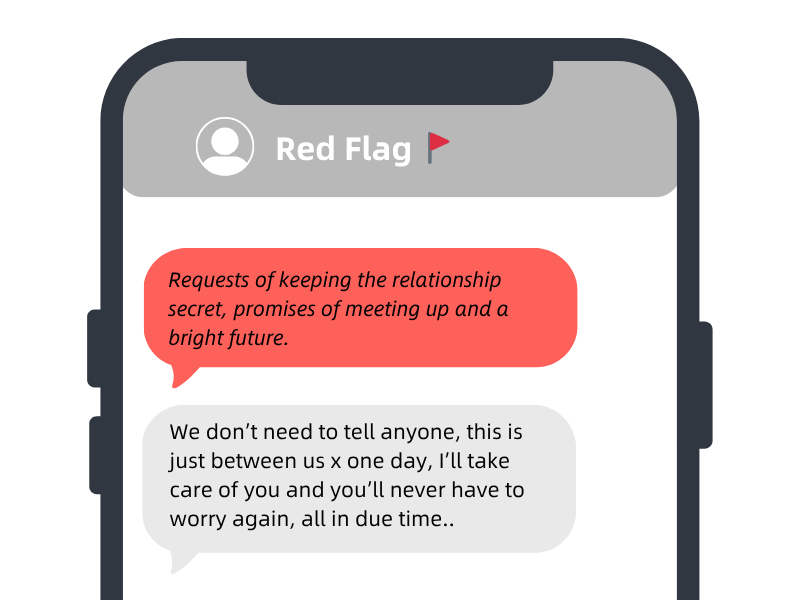
  • Instant intimacy scams – Rapid escalation of affection (“love bombing”) to build trust quickly before asking for money or a trade of explicit images
  • Platform migration tactics – Moving conversations from dating apps to private messaging (e.g. WhatsApp, Telegram) to avoid detection
  • Blackmail using recorded video calls – Scammers record explicit video interactions and threaten to send them to contacts
  • Gift or investment requests – Requests for gift cards, crypto, or “joint investments” after establishing a relationship

Stay Cybersmart

Tips to avoid Romance/Sextortion scams

  • Be cautious with new online relationships – Take time to build trust; be wary of fast emotional escalation or “love bombing”
  • Verify who you’re talking to – Do reverse image searches, check social profiles, and be cautious if they avoid video calls or meeting in real life
  • Keep conversations on trusted platforms – Be wary if someone quickly pushes you to move to private messaging apps
  • Never send money or gifts – Especially to someone you haven’t met in person, regardless of the story or urgency
  • Protect intimate content – Don’t share explicit photos or videos online, even if you feel you trust the person; once it is online, it is forever
  • Watch for red flags – Inconsistent stories, excuses for not meeting, or requests involving crypto, gift cards, or urgent financial help
  • Limit personal information sharing – Avoid giving personal details that could be used for manipulation or blackmail
  • Stop and seek advice if unsure – Talk to a trusted friend or family member before taking action
  • Don’t engage with threats – If targeted by sextortion, do not pay; cease contact and report the account to the platform and authorities


Need help?

Reach out to us, our local experts are here to help. 

Name