Brought to you by

and

Social Media/Online Shop Scam

What are Social Media/Online Shop Scams?

Online shopping fraud involves fake or misleading websites/domains, listings, or sellers that trick people into paying for goods that never arrive, are counterfeit, or differ from what was advertised. 

They can also be a front to harvest credit card information or other personal details that then get sold on the Dark Web.


Examples

What forms can Online Shopping Fraud take?

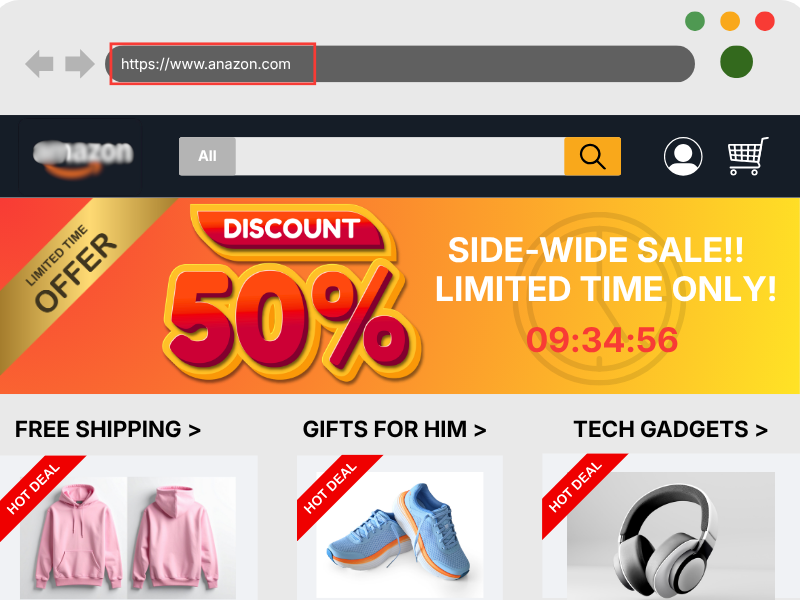
  • Fake Online Stores & Businesses – Scammers attempt to mimic a legitimate and existing online store with misspelled website addresses, or can even build a fully independent online store posing as legitimate. These sites can be used to sell knock-offs or to harvest your personal and credit details.
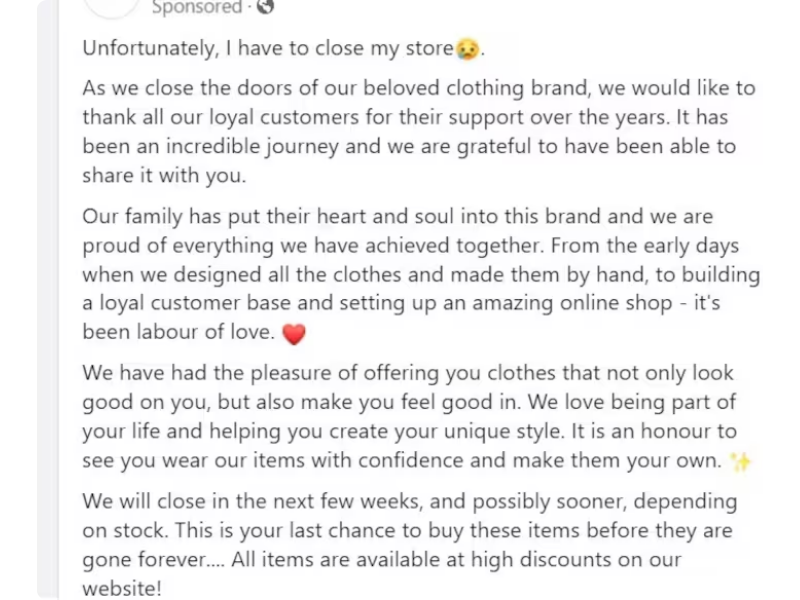
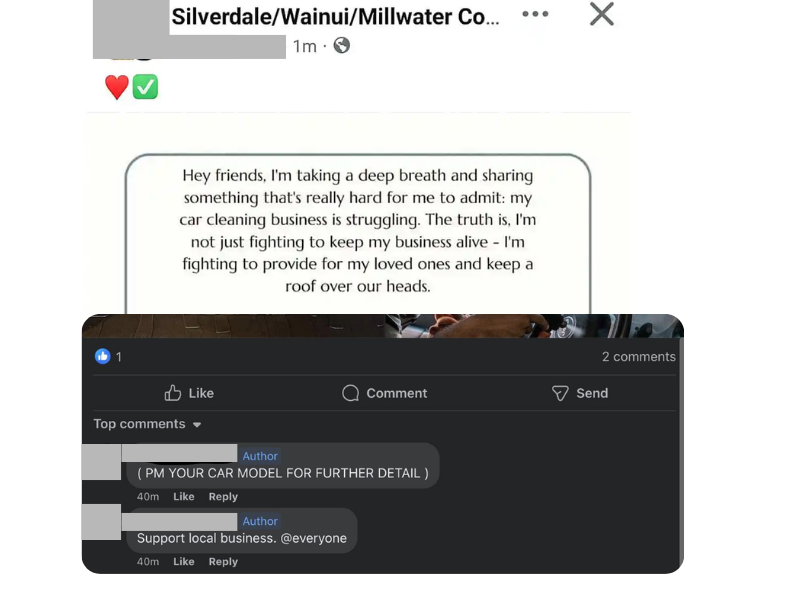
  • Sometimes they purposely target multiple local Facebook community groups at once, to manipulate people into doing business with them – With various and often lengthy sad stories meant to prey on the community’s goodwill  – Always check if they truly are based in New Zealand, the account age & activity, reviews, and whether it has been posted across different groups or if it is a sponsored advert.
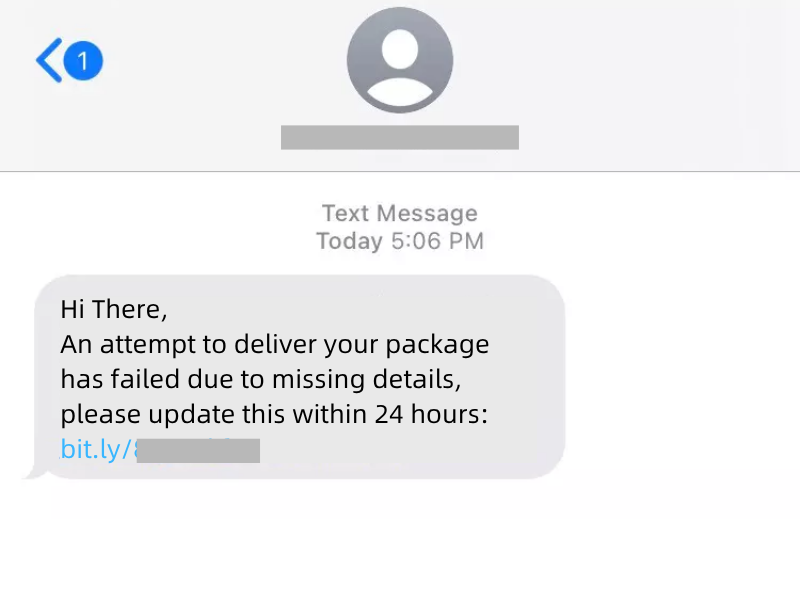
  • Scam Text Messages – These text messages pose as delivery companies, citing various reasons for issues with your delivery (betting on the fact that you are expecting one) and request you to fill out an online form or call a number.
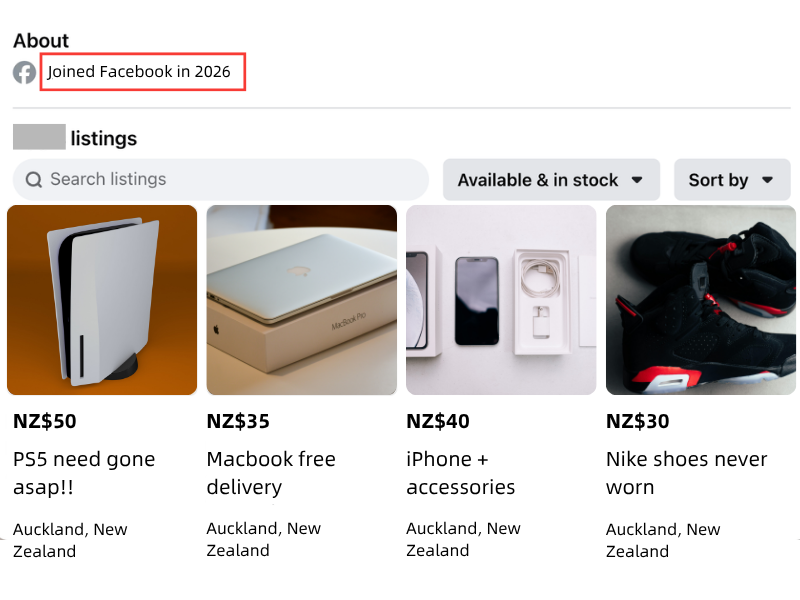
  • Fake Online Listings – Scammers can put up many different kinds of listings, often with a deceptively low price and/or urgency. Accounts are generally new and do not have many reviews to verify them. The item is never intended to arrive or is different from what is listed after payment is accepted.
  • Subscription Traps – More common with digital products, where a scammer sells you an online service or good that is intended to keep billing you repeatedly over time with no real product or service. Or fake versions of real online products and services – i.e photo editing apps, memberships, various computer software etc.

Stay Cybersmart

Tips to avoid online shop fraud.

  • Check the website and URL carefully – Look for misspellings, unusual/new domains, or slight variations of well-known brands.
  • Assess pricing realism – If the deal is significantly cheaper than everywhere else, it’s a major red flag
  • Look for verifiable business details – Genuine sellers provide a physical address, contact number, return policy, and clear terms. Try validating these independently
  • Review reputation and history – Search for independent reviews (not just on the site), and check how long the business or seller has been active
  • Inspect payment methods – Legitimate businesses offer secure, traceable payment options. Be cautious if pushed toward bank transfer, crypto, or gift cards
  • Evaluate listing quality – Poor grammar, generic descriptions, stock images, or inconsistent product details can indicate a scam
  • Check for secure checkout and data handling – Look for trusted payment gateways and avoid sites asking for unnecessary personal information
  • Be wary of urgency tactics – Countdown timers, “limited stock” pressure, or aggressive pop-ups are commonly used to rush decisions
  • Verify marketplace sellers – On platforms like Facebook Marketplace or TradeMe – check profiles, ratings, and avoid new or empty accounts
  • Trust your instincts and cross-check – If something feels off, compare the product or seller across multiple reputable sources before buying
  • Use official channels – For things like deliveries, tracking, or import fees, always visit the official channels yourself and do not rely on the links provided if the message is suspicious.

Need help?

Reach out to us, our local experts are here to help. 

Name